The sun had barely risen over the lake when Sergeant Chad Dryer forced Michelle Barlow onto the starting line of Eastside Park’s running track. Her right knee twisted beneath her, sending a sharp pain through the joint. Blood ran down her shin. Dryer held her black running watch in his fist while a younger officer reached for handcuffs. An elderly man in a green windbreaker hurried across the grass, his silver stopwatch bouncing against his chest.
“Sergeant,” Edgar Stovall said, pointing beneath Dryer’s boots, “you’re standing on her name.”
Across the red lanes, enormous white letters spelled BARLOW TRACK. Dryer laughed. He had no idea that the woman he had just injured was an Olympic gold medalist. More importantly, he had no idea that she had spent thirty years recording every runner who shared that track with her.
Only minutes earlier, Michelle had been completing her ninth lap. At forty-two, she still ran every Saturday, although her knee sometimes ached in cold weather. She counted her laps aloud, just as Edgar had taught her when she was twelve. That morning a police cruiser sped along the service road and stopped across her lane. Dryer emerged, followed by Officer Riley Snyder, whose body camera was recording.
“Nobody runs that fast this early unless she’s running from something,” Dryer said. He demanded identification. Michelle explained that she carried only her house key and running watch. She coached the Eastside Lightning girls’ team at the park twice a week, and plenty of people knew her.
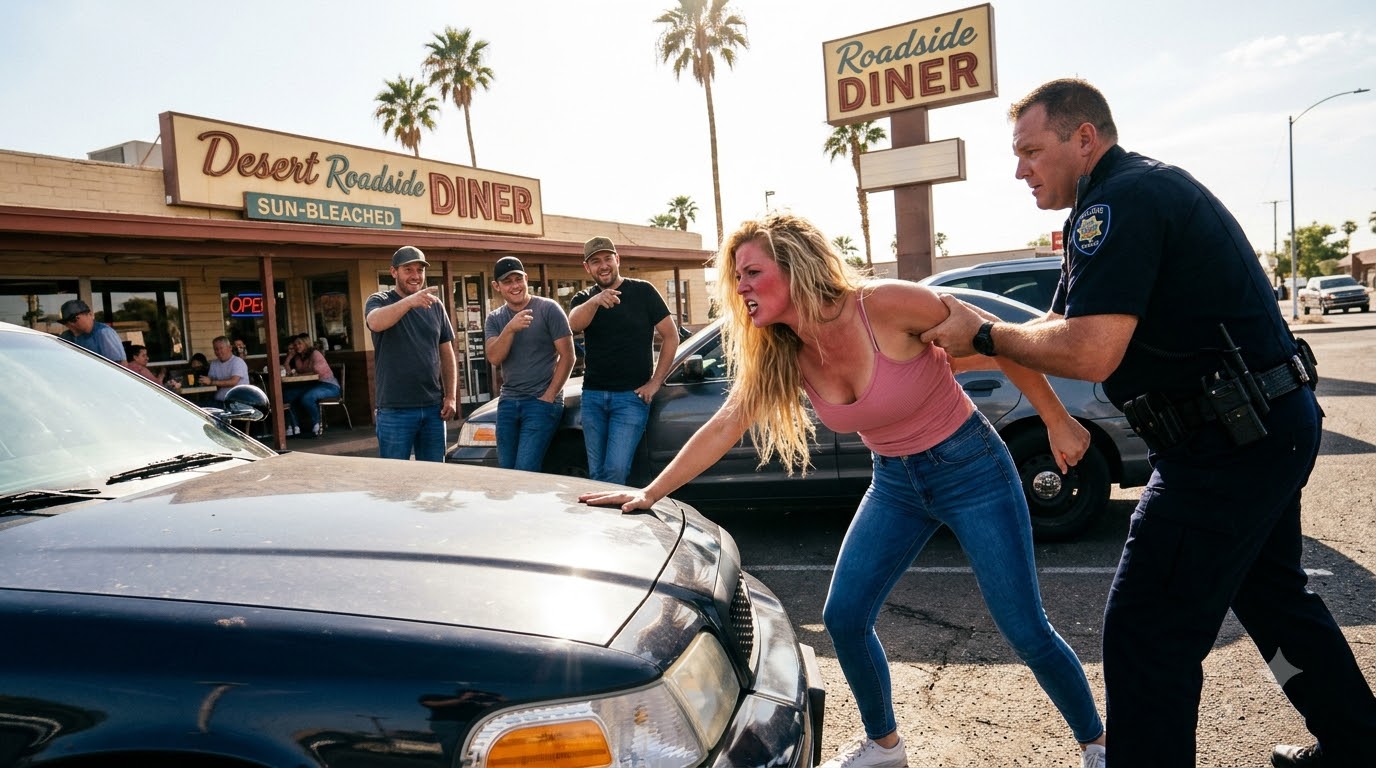
Dryer called her athletes “juveniles,” as though they were criminals. He seized her watch and accused her of stealing it. Michelle asked him to turn it over and read the engraving. Instead, he pocketed it. When she held out her hand to reclaim her property, he twisted her arm behind her back and pushed her down. She heard a pop inside her knee.










