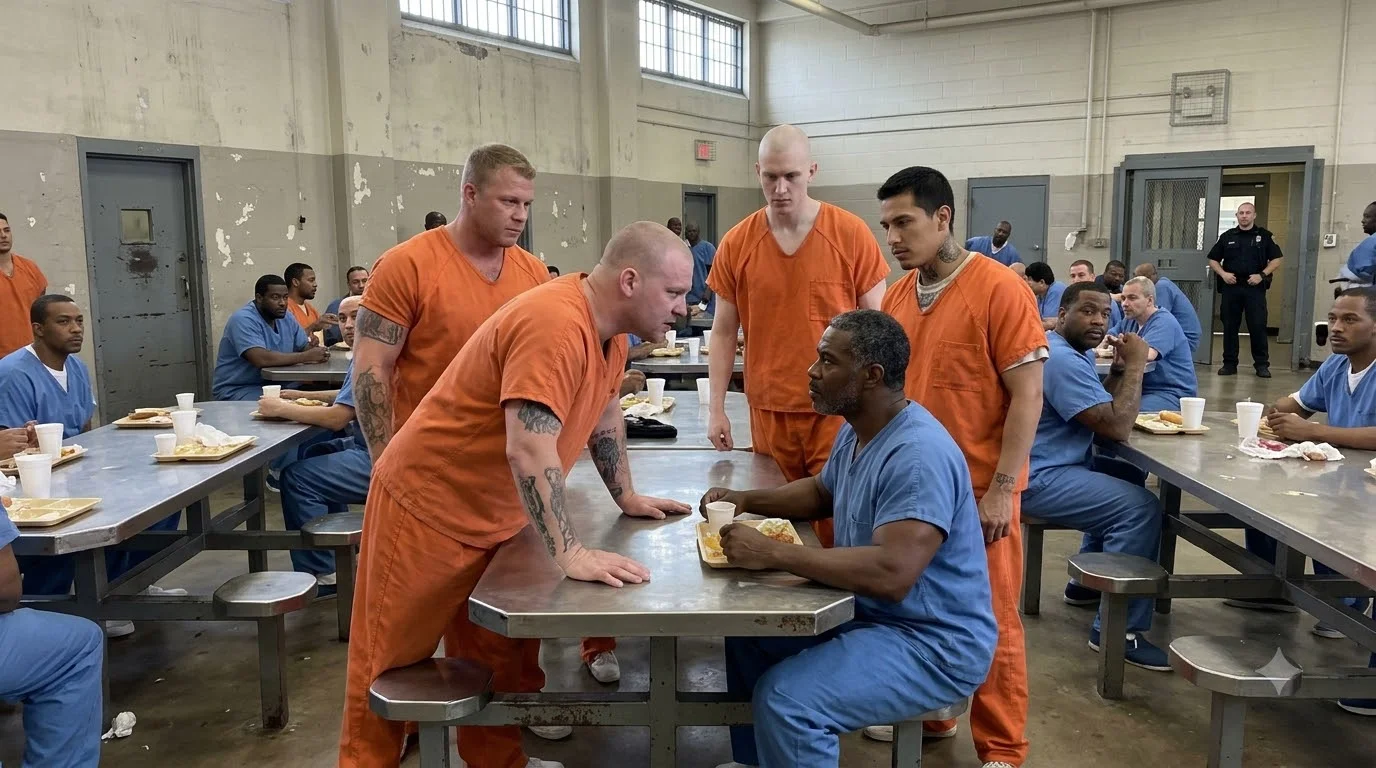
When Richard asked who had helped his mother, he did not know my name. He had not come in expecting to find a student being punished. His question changed the room because it exposed a contradiction between the academy’s stated values and the way one instructor behaved. But the real change came afterward, through records, witnesses, meetings, and a review that took time. A dramatic entrance could stop a moment of humiliation. It could not by itself repair an institution. People had to continue doing the work after the door closed.
During training with the grandmaster, I tried to separate what I knew from what I feared. I wrote down the date, the people present, and the words I could remember. When I was unsure about a detail, I marked it as uncertain instead of filling the gap with a guess. Elaine encouraged that habit because a fair review depended on accurate accounts. I began to understand that telling the truth was not simply saying what felt true in the moment. It meant being careful enough that another person could check what I said. That discipline gave me a sense of control at a time when I had felt powerless.
I began to notice how often kindness was mistaken for weakness. Some students believed that helping a classmate made them less competitive. Others thought admitting fear meant they were not suited to martial arts. Richard challenged those ideas without turning every lesson into a lecture. He showed that a person could be physically strong and gentle at the same time. He could set a boundary without humiliating someone. He could correct a mistake without attacking the person who made it. Those examples changed how I wanted to train and how I hoped to teach one day.
The people closest to me experienced training with the grandmaster differently. My mother worried about my safety and the effect of stress on my recovery from the incident. Caleb wanted to know whether I would return to training. Marcus worried about the younger students who might be treated the same way if everyone stayed silent. Eleanor hoped I would not lose the kindness that had made me stop for her. Their concerns did not always match, but together they reminded me that the story was larger than a disagreement between an instructor and a student. It involved the kind of community we were willing to build around one another.
Voss sent a long email to parents claiming the association was undermining his authority. He described me as a late student who had received special attention because I helped the grandmaster’s mother. He suggested that the complaints were exaggerated by students who did not want to work hard. Several parents forwarded the message to Elaine. Some withdrew their children immediately. Voss then called me into his office and asked me to withdraw my complaint. I told him I had answered questions truthfully when Richard asked. He said I could make things easier by apologizing. I asked what I was apologizing for. He told me to leave. I did, but I recorded the date and the exact words as soon as I reached my car.
Marcus and I had become friends through ordinary training. He helped me remember combinations, and I helped him with the footwork he struggled to coordinate. He was older and more experienced, but he never made a beginner feel foolish. When he apologized for staying silent, I told him I understood why he had been afraid. He had invested years in the academy and wanted his black-belt test. Yet we both knew that the next student might not have the confidence to speak. His decision to provide a statement mattered because it changed the situation from one person’s word against an instructor’s to a pattern supported by witnesses.
During voss’s email, I tried to separate what I knew from what I feared. I wrote down the date, the people present, and the words I could remember. When I was unsure about a detail, I marked it as uncertain instead of filling the gap with a guess. Elaine encouraged that habit because a fair review depended on accurate accounts. I began to understand that telling the truth was not simply saying what felt true in the moment. It meant being careful enough that another person could check what I said. That discipline gave me a sense of control at a time when I had felt powerless.
The final review was careful about what it could and could not conclude. It found that Voss had used unauthorized punishments and altered records, but it did not claim to know every motive behind every decision. It distinguished direct witness statements from hearsay and noted where records supported a student’s account. Some people wanted a harsher report. Others wanted the whole matter forgotten. The careful findings were stronger than either extreme because they could be checked. I learned that justice was not the loudest conclusion. It was the conclusion that could stand when someone asked how we knew.