From the chair, the polished entrance looked much farther away than it had while she was standing. That’s not what happened. The medic asked her to turn her wrist. She tried, then stopped. We should have this checked at a clinic, the woman said.
Can we go? Amara asked her father. Soon. You don’t have to stay for my remarks. What about his report?
He pulled another chair close. Someone outside my command will need to investigate. I’ll ask the city manager to arrange that tonight. You’re leaving it to someone else? He looked at the marks above her elbow.
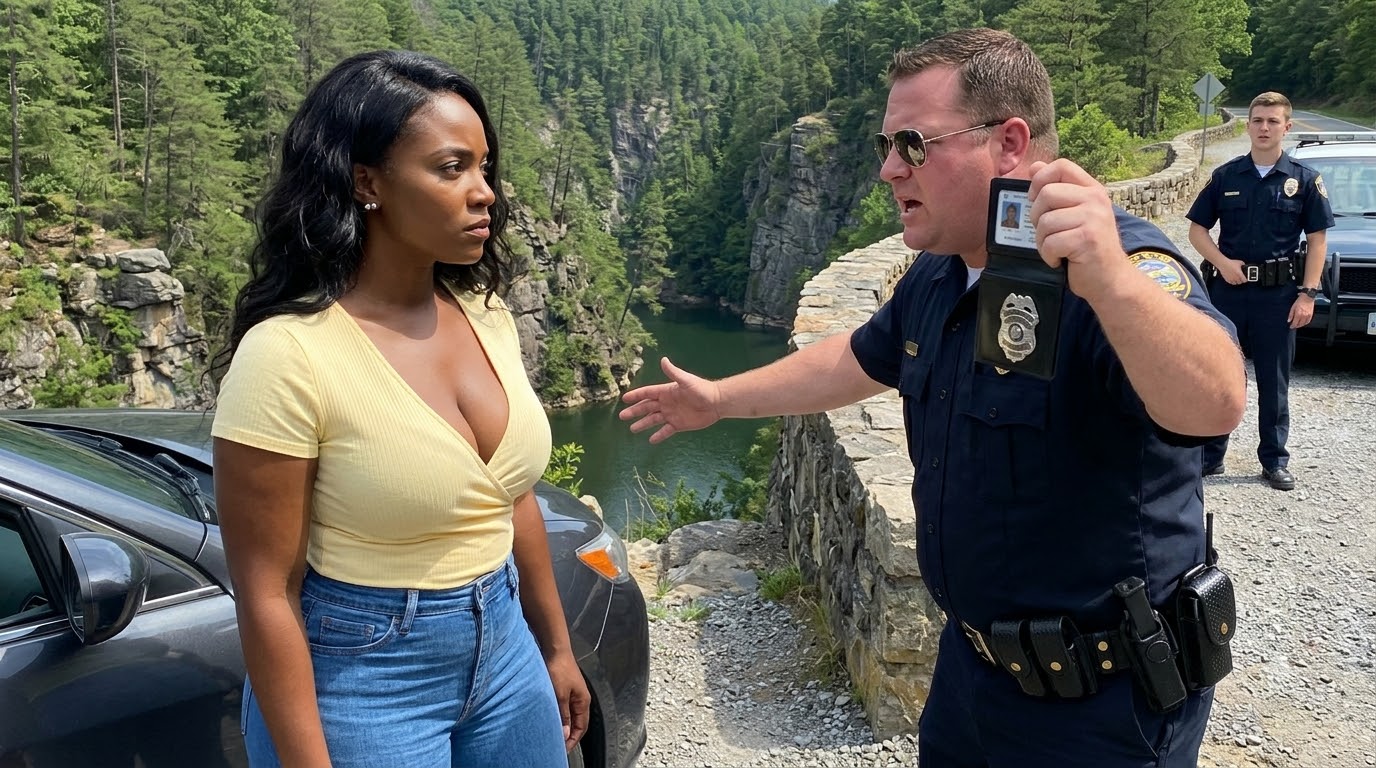
I’m staying with you. I can’t also decide the case involving you. Amara studied him, then nodded once. Bennett called the city manager from beside the chair, and disclosed the relationship. He requested an outside investigator, preservation of the recordings, and dispatch traffic, and a supervisor to take over the police detail.
He made no announcement to the room. Mara began collecting witness names. The woman who had retrieved the phone stayed, though her companion was waiting by the doors. “I heard something,” he said. She told Shaw.
Harlan turned toward her. You weren’t part of the conversation. Shaw stepped closer to the woman. I’ll speak with you separately. The medic fastened a support around Amara’s wrist.
Across the rope, someone switched off the student recording. The sudden quiet made her look toward the waiting volunteer. He was gathering the unused programs into a box. She had promised every student their family would hear their work tonight. Behind them, an event organizer approached Bennett with a microphone, and stopped when she saw the medic’s hands.
Bennett asked her to cancel his appearance. Amara looked down at the program resting on his knee. His name was printed among the speakers, hers was inside beside the student she had helped. Neither entry had persuaded Harlan to pause. She folded the program shut before the organizer could offer to announce who she was.